The work that keeps a
neighbourhood standing
At the grassroots level, community transformation efforts are often fragmented. Even exceptional community-based organizations operate in silos. Our programmes are deliberately stitched together so nutrition, health, water, and youth development reinforce one another instead of standing alone.
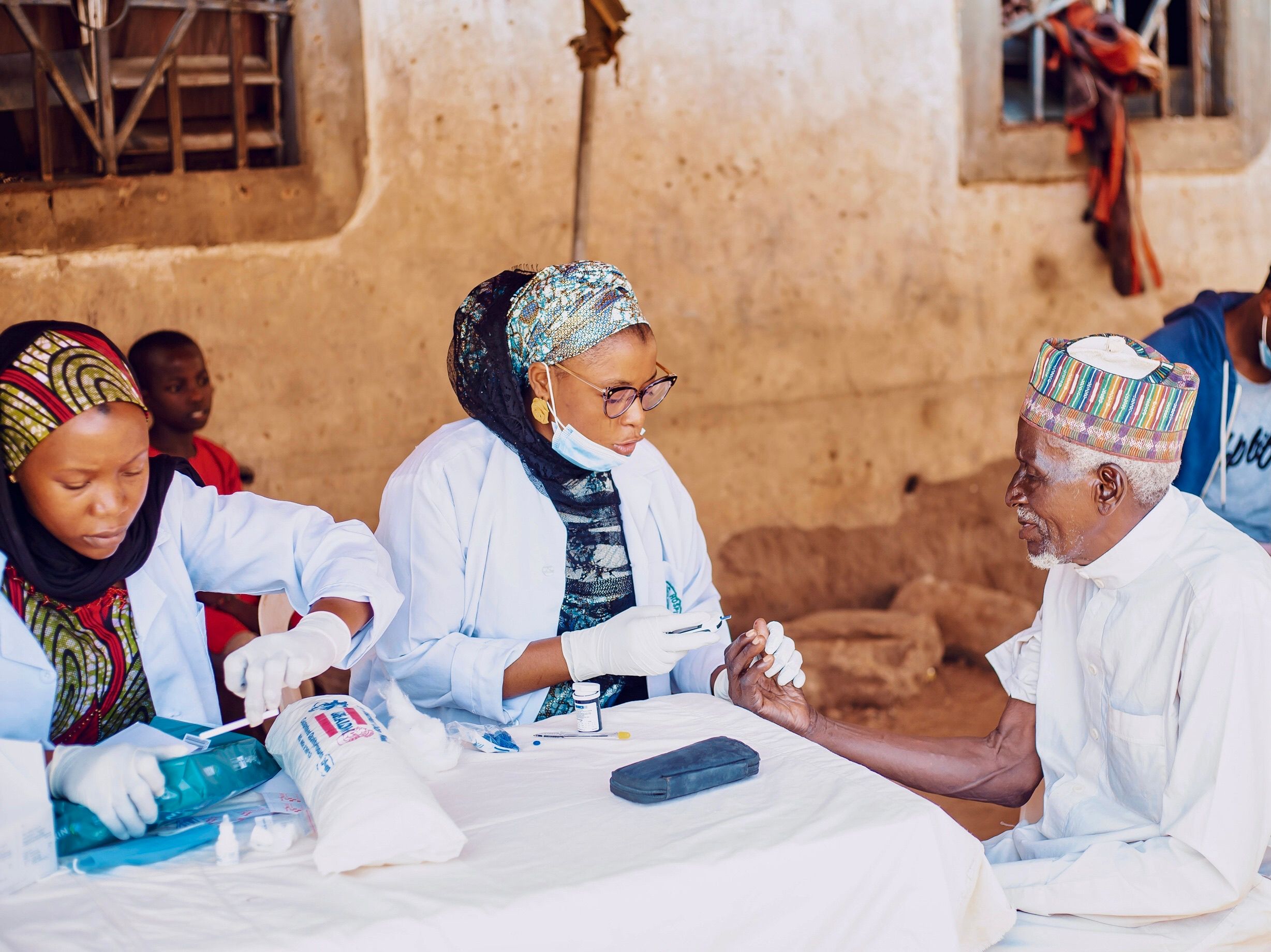
Community Outreach and Wellness Camp for Vulnerable Families (Medical Camp)
Free screening, nutrition support and preventive care delivered directly to underserved families.
Through these medical camps, Zeinabiya will deliver essential health screening, nutrition support, preventive care, and health education directly to underserved families, reducing the physical and financial barriers that often prevent people from seeking care.
To help address these challenges, Zeinabiya plans to host free medical camps and screening for individuals in these communities.
Key health challenges in these communities include:
Basic health screening
Nutrition services
Health education
Preventive healthcare
The camps will have the following objectives:
Provide free medical screening: eye screening, rapid diagnostic tests, nutrition and wellness checks, tests for pregnant and lactating mothers and children under 5, blood pressure checks, diabetes checks, and maternal child health education
Deliver health education
Provide education on, and link beneficiaries to, health insurance
Provide promotive and preventive healthcare products
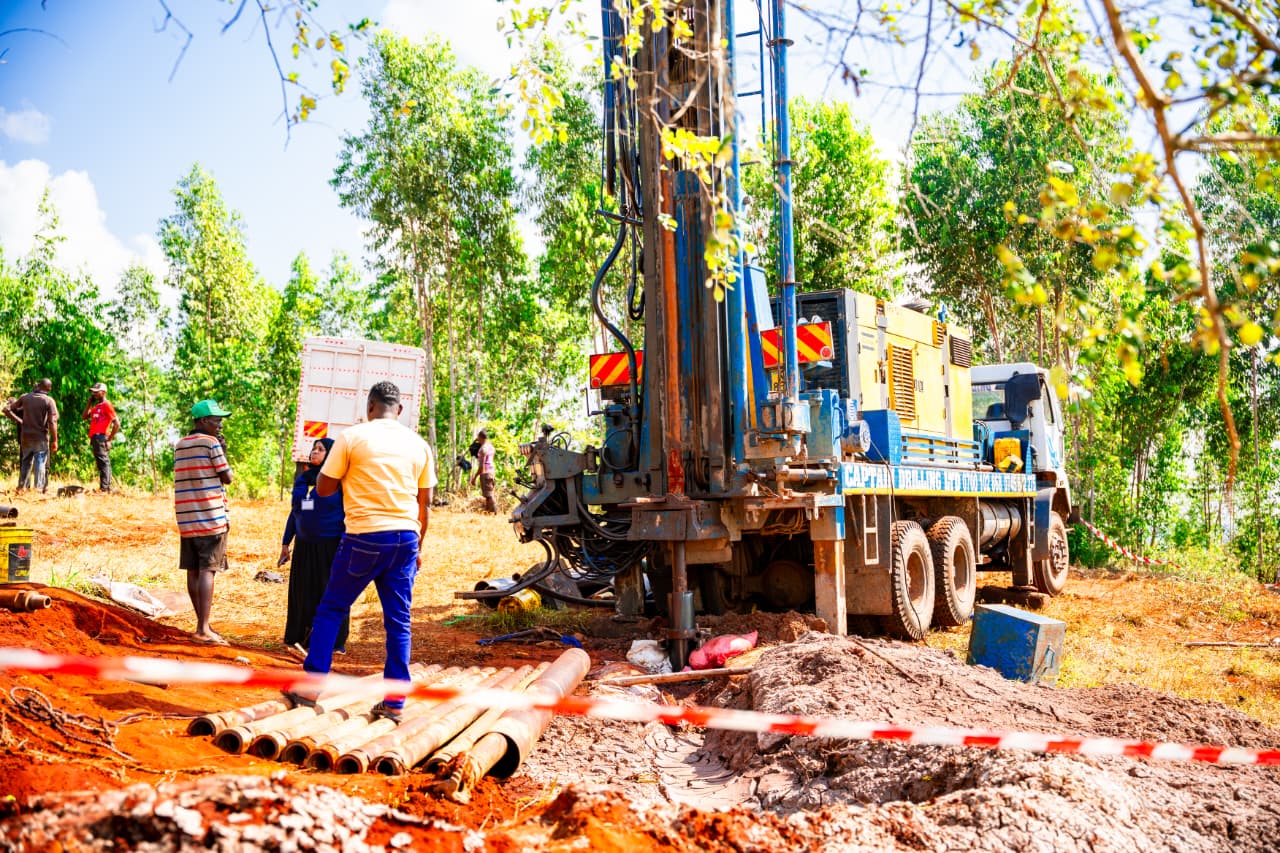
Borehole Water Projects
Permanent, sealed water points that cut disease, return lost hours to women and girls, and anchor nutrition.
The Reality In Remote Kilifi
In areas like Ganze, Vimburuni, and Bamba, clean water is a luxury. Limited access to safe water deprives households of one of the most basic necessities for survival. Installing a secure, deep borehole in a remote village is more than adding a tap, it can transform the future of an entire community.
Remote parts of Kilifi, especially away from the coastline into the semi-arid interior, face harsh environmental and economic pressures. A permanent borehole changes this landscape in three profound ways:
Reducing the burden of waterborne disease
Many water sources are shared with livestock and become breeding grounds for bacteria, leading to high rates of typhoid, amoebiasis, and periodic cholera outbreaks. A properly constructed borehole taps into clean, naturally filtered underground aquifers sealed from surface contamination, cutting clinic visits for preventable stomach infections by more than half.
Unburdening women and girls in the community
Water scarcity in Kilifi is a deeply gendered crisis. Women and school-aged girls often walk 5 to 10 kilometers each day under intense heat to fetch a single jerrycan of muddy water. This exhausting chore takes girls away from morning classes and leaves them too fatigued to study, contributing to higher dropout rates. Placing a high-yield water point within a community or school compound restores thousands of hours of lost time, helping girls stay in school and enabling women to pursue local trading, farming, or weaving.
Strengthening community resilience and nutrition
Reliable water access enables school feeding programmes to run consistently without utility debt. It also supports small-scale community kitchen gardens, providing fresh vegetables and crops even during dry spells.
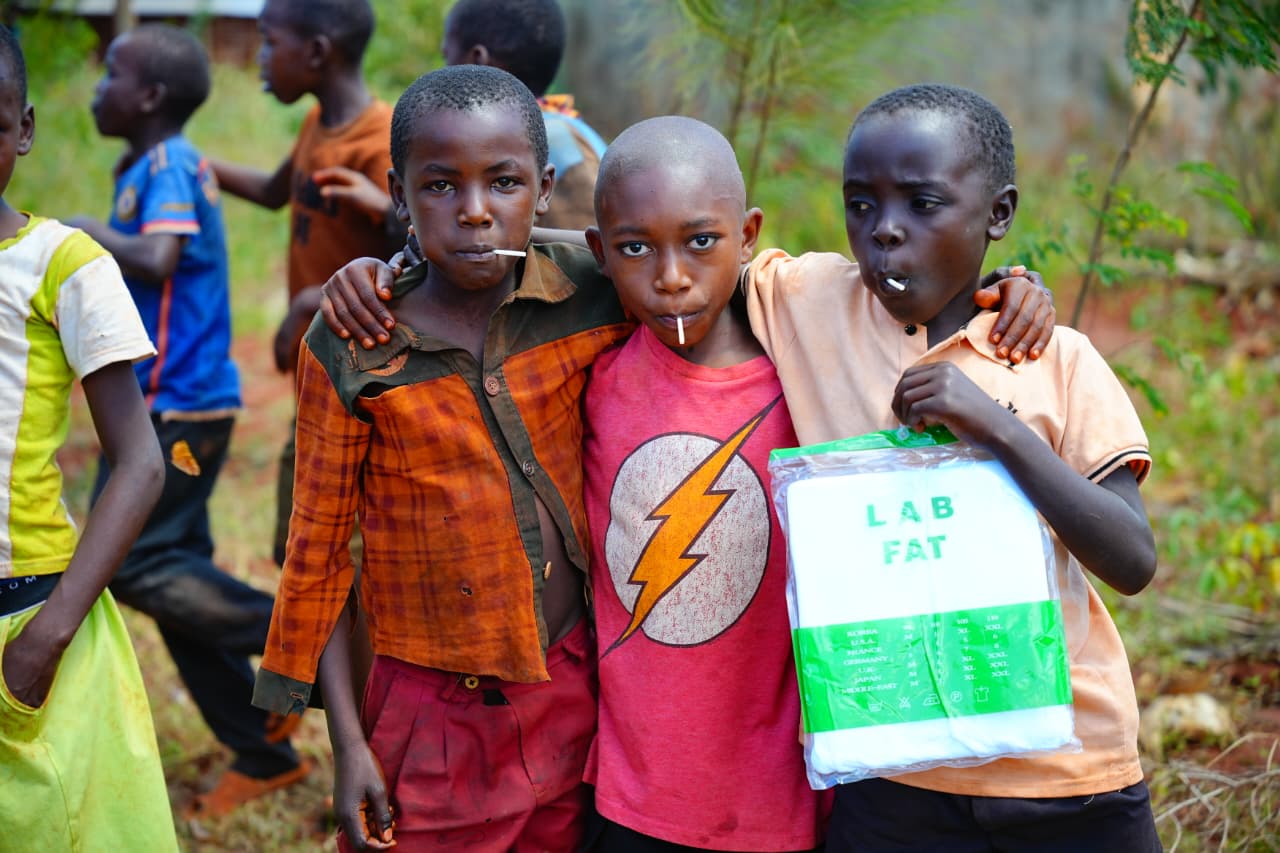
School Feeding Initiatives
A guaranteed daily hot meal that keeps children in class and relieves the strain on struggling households.
A hot meal is one of the most effective ways to break the cycle of poverty because they tackle education, health, and financial strain all at once. For vulnerable families, the guarantee of a daily hot meal is a powerful incentive to send their children to school and keep them in class, which dramatically slashes absenteeism.
Once in the classroom, a well-nourished child can actually focus, think clearly, and retain lessons, proving that you simply cannot teach a hungry mind. Beyond academics, these programmes provide a vital nutritional safety net that protects growing children from illness while offering massive financial relief to struggling households and boosting the local economy by sourcing food directly from neighbourhood vendors.
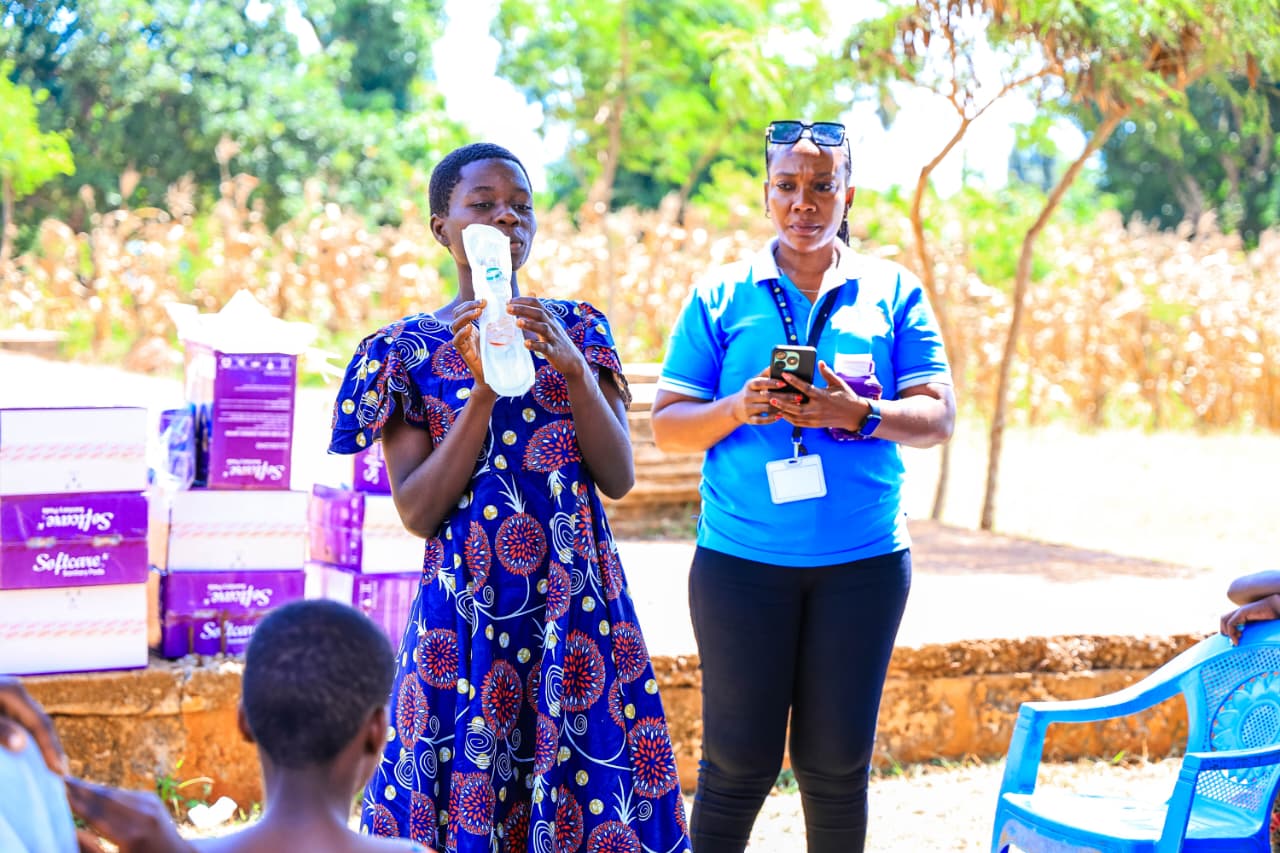
Sexual and Reproductive Health and Rights (SRHR) & Menstrual Health
Safe, inclusive access to reproductive health services, free of stigma and misconception.
Sexual and Reproductive Health and Rights (SRHR) are fundamental to achieving gender equality, improving public health, and fostering sustainable development.
We want to ensure safe access to SRHR services, all inclusive, and reduce the stigma and misconception around SRHR and reproductive health.
Our objectives:
To sensitize on the importance of regarding the needs of these individuals and their right to proper treatment and care.
To provide comprehensive sexual education to adolescents within three years while providing menstrual health packages.
To improve access to contraceptives and family planning services for underserved communities.
The specific programmes in SRHR & Menstrual Health will include:
Ensuring safe access to reproductive health rights
Menstrual health packages
Sensitization and education on matters of reproductive health rights.
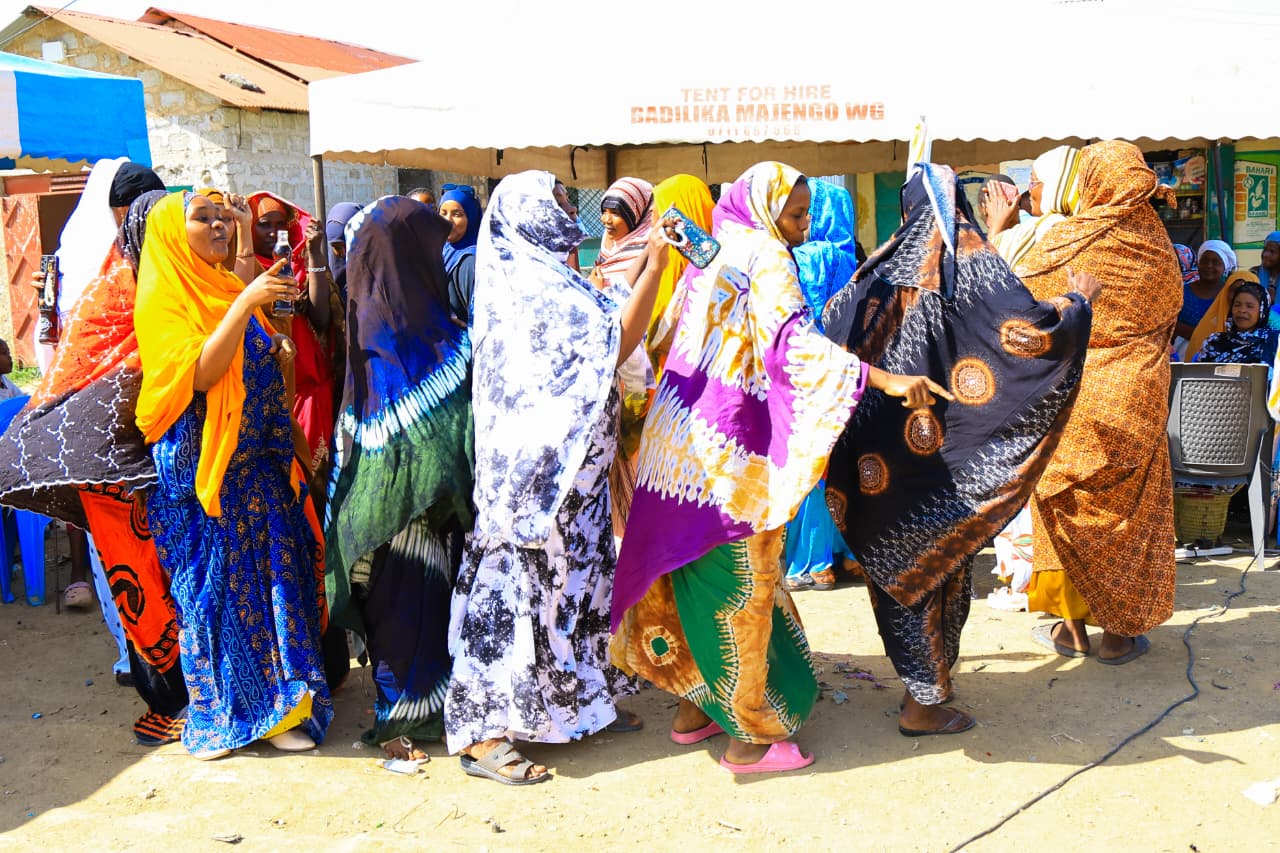
Lifeskills
The everyday superpowers that help young people handle challenges, stay safe, and make good choices.
Life skills are the things we learn to help us handle challenges, talk to others, stay safe, and make good choices every day. It’s like building your superpowers to live happily and do well in school and play.
Our focus is on basic skills like communication, problem-solving, self-awareness, and empathy.
How we build them:
Games that teach teamwork, role-playing to resolve conflicts, or storytelling to understand emotions.
Empower them with skills like self-confidence, decision-making, negotiation, and self-defense.
Workshops on understanding rights, safe boundaries, and leadership activities.
Cover advanced skills like financial literacy, career planning, emotional intelligence, and critical thinking.
Internships, mock interviews, budget-making exercises, and debates.
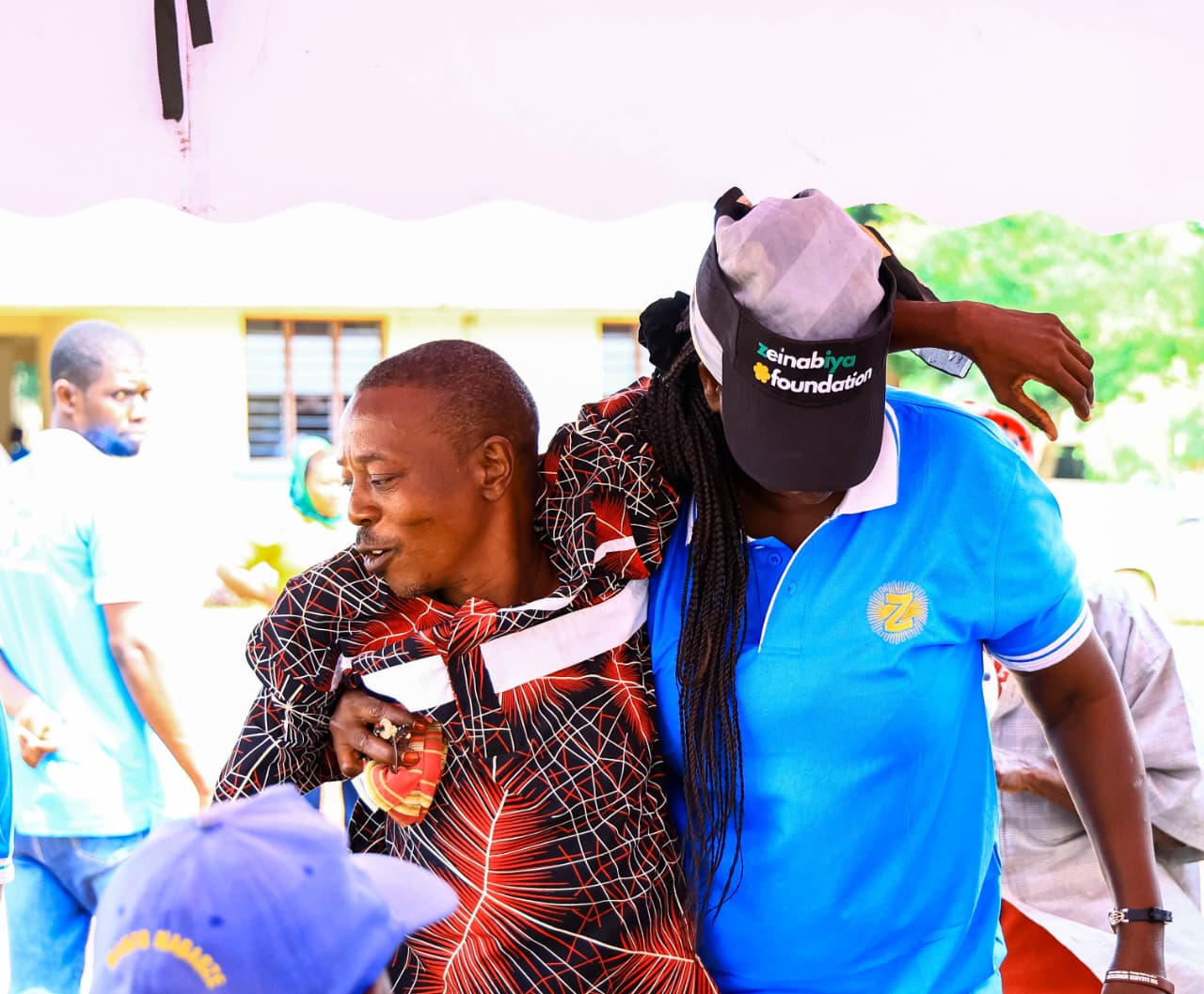
Mental Health & Psychosocial Support
Safe, inclusive and accessible support for children carrying emotional and psychological distress.
Zeinabiya recognizes that children, women and men’s mental health and psychosocial well-being are fundamental to their safety, development, and dignity.
Children within our programmes may experience emotional and psychological distress resulting from family separation, neglect, social exclusion, harmful cultural norms, discrimination, stigma, and unstable caregiving environments.
Programme Goal
To promote and protect the mental health and psychosocial well-being of vulnerable children by providing safe, inclusive, and accessible support services.
Target Group
Vulnerable children aged 6–17 years
Children affected by neglect, abuse, family separation, emotional distress, or social exclusion
Approach — child-centered, trauma-informed and rights-based, ensuring:
The best interests of the child are upheld at all times
Non-discrimination, dignity, and inclusion
Confidentiality, informed consent, and ethical practice
Full alignment with the Kenya Children Act (2022) and national child protection standards
Connecting the dots, one household at a time
We aim to provide timely, transparent and comprehensive humanitarian and community support that integrates sustainable development groups while still maintaining the goal of Zeinabiya, that is to help vulnerable households and communities stabilize, restore their dignity and indulge in sustainable economic pathways.